



Regarding car electrical systems, automobile wire connections are quite important. These little but mighty parts guarantee a safe, secure, and effective electricity flow between several vehicle systems. Whether your interests are mechanical, do-it-yourself, or just curious, any basic automotive electrical endeavor depends on knowing how these connectors operate.
In the system of a car, automotive wire connectors are devices used to link several electrical wires. These connectors can be removable, allowing simple replacement and maintenance, or permanent—that is, soldered junctions. From sensors and illumination to the engine control unit and infotainment systems, they find employment in a range of contexts.
Modern cars rely much on electronics. Reliable communication is non-negotiable even with constantly communicating components including sensors, actuators, and microcontrollers. Automobile wiring harness connections therefore help to neatly bundle and route wires, so reducing clutter and guaranteeing dependability even in demanding driving environments.
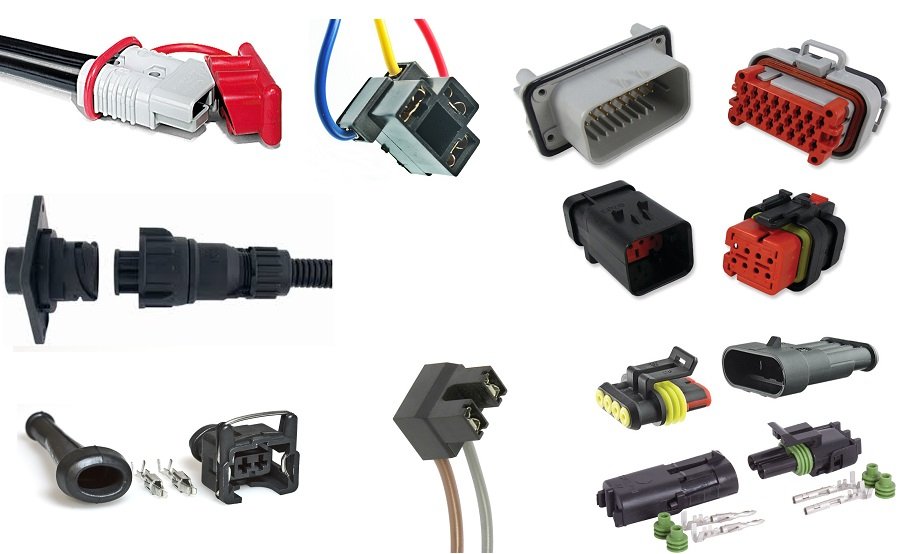
These connections basically lock one or more wires into a housing that corresponds with a matching connector, therefore ensuring their security. Connected,
electrical impulses or power can pass over the metal contacts within the enclosure. The main characteristics of a trustworthy connector consist in:
To further lifetime and durability, some connectors can include terminal clamps, seals, or locking tabs.
Depending on the voltage, current, and environmental exposure, numerous kinds of automotive wire connections are used in cars and have distinct functions.
Every one of these connector kinds operates using a wiring harness, which arranges and shields the wires going all over the car.
A wire harness is just a bundle of cables and wires arranged together, encased in protective insulation, and terminated with automotive wiring harness connectors. This systematic approach:
Using the correct harness connectors lets technicians rapidly troubleshoot or update parts without compromising the rest of the system.
Selecting the appropriate connector calls for weighing numerous criteria:
Match the connector to your application's power needs using its current and voltage rating.
Under-hood or outside application calls for waterproof or weather-sealed connectors.
For systems including several wires, choose multi-pin connections.
Make sure the connector suits the particular make and model of your vehicle.
Both professionals and do-it-yourselfers often search for "how to choose automotive connectors" since using the incorrect connector might result in unsafe systems or malfunction.
Here are some safe installation guidelines if you're fresh to car electrical work:
Before handling automotive wire, always unplug the battery.
To prevent loose connections, use the right crimping tools.
For simpler recognition, label cables or utilize color-coded connectors.
Use a multimeter following installation to test the connection.
Cheap or poorly constructed connectors can produce:
Purchasing reliable brands of excellent connectors guarantees long-term safety and performance. Automobile systems depend too much on quality components to risk with inferior ones.
First step in learning car electrical systems is knowing how automotive wire connectors operate. From ensuring dependable connections to streamlining difficult wiring across automotive wiring harness connectors, these parts are absolutely essential for vehicle performance and safety.
Choosing the correct connector type and following best practices makes all the difference whether your replacement is a headlight plug, a new audio, or rewiring an engine compartment. Always operate with excellent parts; keep safe, stay informed.
